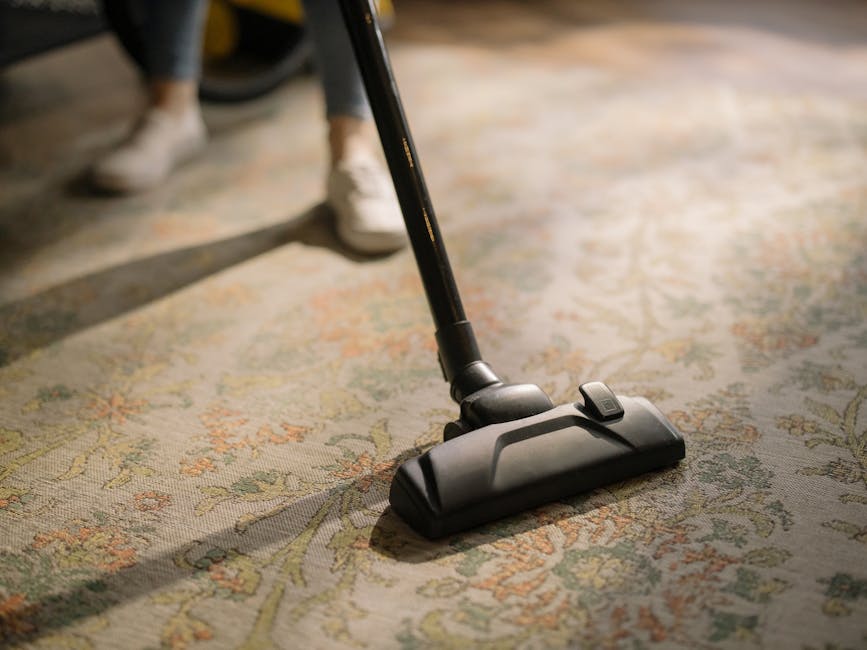
End of tenancy carpet cleaning Oakleigh Park flats: a practical guide for move-out day
If you are moving out of a flat in Oakleigh Park, the carpet is often one of the last things standing between you and a clean handover. End of tenancy carpet cleaning Oakleigh Park flats is not just about making fibres look nicer; it is about removing the kind of everyday dirt, odours, and hidden traffic marks that can trigger awkward comments at check-out. And let's face it, nobody wants to be standing in an empty hallway on moving day wondering whether that one patch by the sofa is going to cost them time or money.
This guide explains what end of tenancy carpet cleaning involves, why it matters in flats specifically, how the process works, and what to check before keys are returned. You will also find a clear checklist, common mistakes to avoid, and a realistic comparison of cleaning options so you can decide what makes sense for your tenancy, your budget, and your deadline.
Table of Contents
- Why End of tenancy carpet cleaning Oakleigh Park flats Matters
- How End of tenancy carpet cleaning Oakleigh Park flats Works
- Key Benefits and Practical Advantages
- Who This Is For and When It Makes Sense
- Step-by-Step Guidance
- Expert Tips for Better Results
- Common Mistakes to Avoid
- Tools, Resources and Recommendations
- Law, Compliance, Standards, or Best Practice
- Options, Methods, or Comparison Table
- Case Study or Real-World Example
- Practical Checklist
- Conclusion
- Frequently Asked Questions
Why End of tenancy carpet cleaning Oakleigh Park flats Matters
In a flat, carpets tend to work harder than people expect. Hallways are narrower, furniture is often moved less often, and traffic flows through the same few paths every day. Over time, that creates visible wear lines, dull patches, and a sort of lived-in smell that does not always lift with a quick vacuum. In Oakleigh Park, where many tenants are balancing busy commutes, family schedules, and move-out deadlines, it is very easy for carpet cleaning to slip to the bottom of the list until the final week. Then, suddenly, it matters a lot.
For most tenants, the main reason to arrange proper carpet cleaning is simple: hand the property back in a condition that matches the tenancy agreement and the expectations at check-out. For landlords and letting agents, the goal is different but related: reduce avoidable disputes and make the flat ready for the next occupant without delay. A freshly cleaned carpet makes an immediate visual difference, but the deeper value is in removing the sort of embedded soil that a surface clean will miss.
Flat living adds a few extra wrinkles. Access can be tighter, parking may be awkward, and shared entrances mean you need a cleaner who can work neatly without disturbing neighbours. A good service should understand that. They should arrive prepared, work efficiently, and leave the place as dry and usable as possible. No one wants wet carpet in a third-floor flat with nowhere to air it out.
Expert summary: end of tenancy carpet cleaning is not just a cosmetic add-on. In a flat, it is often part of the handover standard that helps you avoid disputes, present the property well, and leave the move-out day feeling under control rather than chaotic.
How End of tenancy carpet cleaning Oakleigh Park flats Works
Although every cleaner has their own process, a proper end of tenancy carpet clean usually follows the same practical pattern. First comes inspection. The cleaner identifies fibre type, stain type, high-traffic zones, and any delicate areas such as natural wool, glued seams, or previous repair spots. That matters because carpets are not all the same. What works beautifully on one flat carpet can be too aggressive for another.
Next, the carpet is usually vacuumed thoroughly to remove loose grit and dust. This is more important than it sounds. Dry soil acts like sandpaper; if it is not removed first, wet cleaning can turn it into a muddy mess pushed deeper into the pile. After that, the cleaner applies a suitable pre-treatment or stain treatment, depending on the condition of the carpet. On end of tenancy jobs, the focus is often on deodorising, lifting tracked-in dirt, and paying attention to paths, entrances, and any areas around beds or sofas.
Most professional methods involve hot water extraction or a similar deep-cleaning process. In plain English, that means cleaning solution and water are worked into the carpet, then extracted along with dirt using specialist equipment. It is not the same as shampooing with too much foam, and it is certainly not the same as a quick handheld spot clean. The aim is to remove soil from deep within the fibres while keeping moisture levels under control.
Drying time is the part tenants sometimes forget. Depending on carpet type, ventilation, room temperature, and how heavily soiled the carpet was, it may take several hours before the carpet feels fully dry. In winter, or on a grey London afternoon, that can take a bit longer. A good cleaner will explain what to expect and how to help the carpet dry faster.
If you are arranging broader property cleaning as well, it can make sense to combine carpet care with end of tenancy cleaning or even a wider deep cleaning service, especially when the flat has been lived in for a long tenancy. To be fair, once you are moving boxes, it is easier to get everything handled in one organised visit than to juggle three separate ones.
Key Benefits and Practical Advantages
There are obvious benefits, and then there are the ones people only appreciate after the job has been done. The obvious one is presentation. Clean carpet instantly makes a flat look fresher, brighter, and better cared for. Even a modest-sized room can feel more spacious when the floor is not dull or patchy.
There is also the practical benefit of dealing with smells. Carpets absorb everyday life: shoes, food spills, pets, smoke residue, damp shoes in winter, and the occasional dropped drink. A proper clean does more than mask those issues. It helps remove them. That can make a real difference on inspection day, especially when the flat has been shut up for a while.
Another benefit is risk reduction. A deep clean can help you spot damage that might otherwise be missed, such as stains that have not fully lifted, worn sections, pulled fibres, or marks that need to be disclosed rather than argued over later. It is better to know in advance. Honestly, that is half the battle.
For landlords and agents, a well-cleaned carpet can reduce delays between tenancies. For tenants, it can mean fewer awkward conversations about deductions. For both sides, it supports a cleaner, more professional handover. That is especially useful in Oakleigh Park flats where occupiers often want a quick turnaround with minimal fuss.
- Improves the first impression at check-out
- Helps reduce odours from daily living
- Can lift high-traffic marks and embedded dirt
- Supports smoother communication with landlords and agents
- Makes the flat easier to present for the next resident
Who This Is For and When It Makes Sense
This service is useful for tenants moving out of rented flats, of course, but it is not limited to them. Landlords preparing a flat for re-letting, letting agents coordinating a changeover, and homeowners selling a flat can also benefit from it. The key question is not whether the carpet looks terrible. The better question is: does it need to look properly clean at handover, and do you have the time, equipment, and patience to do it yourself?
It makes especially good sense if the tenancy has lasted more than a year, if there are visible walkways through the living room or hallway, or if there have been any spills that have settled in over time. Flats with open-plan living spaces often show dirt more quickly because the same areas are used for dining, relaxing, and walking through. A carpet that looked fine last month can suddenly look tired under direct daylight. Funny how that happens.
You should also think about the service if the property has children, pets, or anyone who tracked in a lot of outdoor dirt during wetter months. Even careful tenants can end up with carpets that look dull simply because the building layout funnels traffic through one narrow route. In flats, that sort of wear is common, not a sign of neglect.
If your moving date is tight, it can be wise to schedule carpet cleaning after the bulk of the packing but before final inspection. That gives the fibres time to dry and settle. If you need more than carpet care alone, many tenants also look at house cleaning or domestic cleaning for the rest of the flat. Not every move needs that, but when it does, it helps to get ahead of the stress.
Step-by-Step Guidance
Here is a practical way to approach the job without making it more complicated than it needs to be.
- Check the tenancy paperwork. Look for any clause about professional carpet cleaning or required handover standards. Do this early, not the night before the keys are due back.
- Inspect the carpets in good light. Open curtains or blinds and look from different angles. Side light often reveals traffic lanes and flattened fibres that are easy to miss head-on.
- Vacuum thoroughly first. Dry soil should be removed before any wet cleaning begins. If possible, vacuum slowly in overlapping passes, especially along edges and under movable furniture.
- Identify stains and problem areas. Make a quick note of anything unusual: coffee, wine, muddy footprints, pet marks, or oily residue near seating areas.
- Choose the right cleaning method. In most flats, a deep extraction clean is the safest and most effective choice, but fibre type matters. Wool and synthetic carpets may need different products and temperatures.
- Work room by room. Clear pathways, protect delicate items, and keep doors open where safe to improve airflow.
- Allow adequate drying time. Do not rush furniture back onto damp carpet. That is how you end up with marks, impressions, and a slightly sour smell no one asked for.
- Do a final walk-through. Check edges, corners, under radiators where reachable, and the main traffic paths. If a stain remains, ask for a re-treatment before the handover.
A small but useful point: if you are also cleaning other flooring types in the flat, it can be worth looking at hard floor cleaning for kitchens, bathrooms, or entrance areas. Those places often collect the same dirt that ends up in carpet fibres, just in a different form.
Expert Tips for Better Results
One of the biggest differences between an average clean and a genuinely good one is preparation. Clear the room as much as possible before the cleaner arrives. You do not need to strip the flat bare if that is unrealistic, but lifting small items, cords, and lightweight furniture gives the cleaner better access and prevents missed patches. That sounds basic, but it makes a serious difference.
Another tip: do not over-wet the carpet if you are spot-cleaning yourself before the visit. Home remedies can spread staining or leave sticky residue that attracts more dirt later. If you have already treated a mark, tell the cleaner what was used. It is a tiny detail, yet it can save a lot of trial and error.
Use daylight to your advantage. If possible, arrange the inspection or your own final check in the morning or early afternoon. Artificial light can hide patchiness. Natural light is less forgiving, but that is exactly why it helps.
Also, pay attention to edges and thresholds. In flats, dirt often gathers where the carpet meets laminate, tile, or hallway flooring. It is the sort of thing that gets overlooked because it is not in the middle of the room, yet agents notice it quickly. They really do. Quietly, then all at once.
If the flat has upholstery or soft furnishings that have picked up odours or marks, you may want to consider upholstery cleaning or sofa cleaning as part of the move-out preparation. That is not always necessary, but in compact flats, fabrics and carpets tend to share the same dust, smells, and day-to-day wear.
Common Mistakes to Avoid
The most common mistake is leaving carpet cleaning too late. Move-out week has a way of becoming chaos before you know it. Once boxes are stacked, the bed is gone, and cleaning supplies are scattered everywhere, the last thing you want is to be chasing drying times. Plan early and you will have fewer surprises.
Another mistake is assuming a vacuum alone will be enough. Vacuuming is essential, but it does not remove the stubborn soil that gets crushed into fibres over months or years. That is especially true in hallways and living room walkways.
People also get caught out by choosing the cheapest possible option without checking what is actually included. If the service does not include stain treatment, edge detailing, or drying guidance, you may not get the result you expected. The lowest number on a page is not always the best value. Annoying, but true.
Here are a few more traps to avoid:
- Using too much detergent during DIY spot cleaning
- Ignoring landlord or agent requirements until the last minute
- Putting furniture back on damp carpet
- Skipping a final inspection in natural light
- Forgetting to mention pet odours or old spills
Truth be told, most problems are preventable with a bit of planning. Nothing fancy. Just a sensible sequence and a little patience.
Tools, Resources and Recommendations
You do not need a warehouse full of equipment to prepare properly, but a few simple tools help. A good vacuum with strong suction, clean microfibre cloths, a bucket for controlled spot treatment, and a soft brush for lifting surface fibres can go a long way. If you are dealing with a stubborn stain, resist the urge to scrub hard. Gentle blotting is usually safer than aggressive rubbing.
For a professional job, the main resource is a cleaner who understands carpet fibre types, drying control, and end of tenancy expectations. If you are comparing providers, ask what method they use, how they treat stains, whether they provide drying advice, and whether the quote includes the rooms you need cleaned. These are plain questions, but they cut through a lot of confusion.
If you want to understand broader service standards or what a company values in its working practices, it can help to look at pages such as about the company, health and safety, insurance and safety, and terms and conditions. Those pages do not clean a carpet, obviously, but they do tell you a lot about the way a provider works.
If you are still weighing up pricing, a dedicated pricing and quotes page is useful because it helps you understand how the job is likely to be estimated. And if you need to make an enquiry, the contact page is the direct route. No mystery there.
Law, Compliance, Standards, or Best Practice
For tenants in the UK, the practical standard is usually set by the tenancy agreement, the property condition at move-in, and the reasonable expectations of the landlord or letting agent. There is not one universal carpet rule that fits every tenancy, so it is wise to read the inventory and check-out expectations carefully. If the agreement specifically requires professional cleaning, the safest approach is to follow that wording unless you have written agreement to do otherwise.
Best practice is more important than legal jargon in many cases. A clear inventory, dated photographs, and a record of cleaning carried out can help if there is a later disagreement. Keep receipts or confirmation details where appropriate. If you hire a professional cleaner, ask for a straightforward description of what was done. That can be useful at check-out if questions arise.
From a safety standpoint, reputable cleaning work should also be carried out with attention to ventilation, slip risk, and product handling. In a flat, that matters more than people realise. Shared hallways, narrow stairs, and limited drying space can make things awkward quickly. A cleaner should take care not to leave excessive moisture or trip hazards behind.
Where a company discusses standards openly, that is a good sign. You may also want to check their recycling and sustainability approach if eco-conscious product use matters to you, especially in a small flat where strong chemical smells can feel overwhelming. Cleaner air, less residue, less fuss. Everybody wins.
Options, Methods, or Comparison Table
There are a few ways people handle end of tenancy carpet cleaning. Some do it themselves, some book a specialist, and some combine carpet work with general flat cleaning. The right choice depends on carpet condition, time pressure, and how fussy the final inspection is likely to be.
| Option | Best for | Strengths | Limitations |
|---|---|---|---|
| DIY vacuum and spot clean | Light wear, low budget, minor marks | Cheap, fast, easy to schedule | Limited stain removal, drying risk, less effective on deep soil |
| Professional carpet cleaning | Move-outs, visible traffic marks, odours | Deeper clean, more consistent finish, better for inspections | Costs more than DIY, needs scheduling and drying time |
| Combined end of tenancy service | Full flat handover, tight deadlines | Covers multiple tasks in one visit, reduces coordination | May be more than you need if carpets are the only issue |
If your flat has a lot of soft furnishings, rugs, or mixed flooring, the combined approach is often the most practical. A specialist rug cleaning service can help where small floor coverings have collected dirt from the same traffic routes as the carpet. It is a small detail, but on move-out day, small details pile up fast.
Case Study or Real-World Example
Picture a typical Oakleigh Park flat: two bedrooms, a hallway, and a living room that doubles as dining space. Nothing dramatic. Just ordinary life, a bit of foot traffic, and one carpet that has picked up the shape of the tenant's routine. The hallway is darker near the entrance, the living room has a soft grey patch where the sofa sat, and one bedroom has a faint ring from an old drink spill.
The tenant does a full vacuum, moves small furniture out of the way, and checks the tenancy notes. The inventory mentions that carpets should be returned clean and professionally treated if stained. A cleaner visits in the morning, pre-treats the traffic areas, deep cleans the main rooms, and spends extra time on the hallway edge where shoes have been brushed past the wall for months. By late afternoon, the carpet feels dry enough to walk on carefully, and the flat looks brighter than it has in ages.
Was it magical? No. Was it a lot easier than trying to fix everything the night before key return? Absolutely. And that is the real point. Good carpet cleaning does not need to be dramatic. It just needs to remove the everyday traces of living so the flat can be handed back properly.
Practical Checklist
Use this checklist in the final days before you move out. It is simple, but it keeps things from slipping through the cracks.
- Read the tenancy agreement and check cleaning requirements
- Inspect carpets in daylight
- Vacuum all carpeted areas thoroughly
- Note visible stains, odours, and traffic lanes
- Remove small furniture and loose items
- Book carpet cleaning with enough drying time before handover
- Tell the cleaner about any previous DIY stain treatments
- Keep windows open where safe to support drying
- Do not replace furniture until the carpet is dry
- Take final photos after cleaning, if needed for your records
If the move-out involves more than just carpets, it may be worth pairing the job with window cleaning so the flat feels properly finished. Clean carpet and clear glass together can make a very tired space feel fresh again. Simple things, really, but they matter.
Conclusion
End of tenancy carpet cleaning Oakleigh Park flats is one of those jobs that feels optional right up until the moment it is not. In a flat, carpets carry a surprising amount of daily life, and move-out day is not the time to discover that the hallway still holds last winter's grit or that the living room has a stain you stopped noticing months ago. A structured, careful clean helps you hand the property back with confidence and reduces the chance of avoidable friction at inspection time.
The best approach is straightforward: check what the tenancy expects, clean early enough for drying, use the right method for the carpet type, and leave yourself time for a proper final look. Do that, and the whole move tends to feel less like a scramble and more like a clean finish. Which, after all the packing and paperwork, is a relief.
Get a free quote today and see how much you can save.
Frequently Asked Questions
Do I need professional carpet cleaning when moving out of an Oakleigh Park flat?
Not always, but many tenants choose it because it gives a deeper, more even result than DIY cleaning. If your tenancy agreement specifically asks for professional cleaning, it is usually safest to follow that requirement.
How early should I book end of tenancy carpet cleaning?
Ideally, book it a few days before key return so the carpet has time to dry properly. In busy moving periods, earlier is better because you avoid last-minute stress and limited availability.
Can a professional clean remove old stains completely?
Sometimes yes, sometimes partly, and sometimes not at all. It depends on the stain type, how long it has been there, and the carpet material. A reputable cleaner should be honest about that rather than overpromising.
How long does carpet cleaning take in a flat?
It depends on the number of rooms, stain treatment needed, and access. A small flat can be fairly quick, while a larger or heavily used one takes longer. Drying time is separate from the cleaning visit itself.
Will the carpet be too wet to walk on after cleaning?
It should not be soaked, but it may be damp for a while. Professional methods aim to minimise moisture, and a cleaner should explain how long to wait before moving furniture back or walking on it normally.
What if the flat only has one or two carpeted rooms?
You can still book a carpet clean. In fact, smaller flats often show wear more sharply because the same paths are used again and again. Hallways and living areas tend to benefit most.
Is carpet cleaning enough on its own for a full end of tenancy handover?
Usually not if the rest of the property is dirty. Carpets are only one part of the handover. Many tenants also arrange broader end of tenancy cleaning so the kitchen, bathroom, and surfaces are covered too.
What should I do before the cleaner arrives?
Vacuum first if you can, move small items, point out stains, and make sure the cleaner can access the areas that need treatment. A little preparation saves a surprising amount of time.
Are wool carpets harder to clean at the end of a tenancy?
They can be more delicate than synthetic carpets, so the cleaning method needs to suit the fibre. Wool often needs careful temperature control and the right products, which is one reason experience matters.
Can carpet cleaning help with pet odours in a rented flat?
Yes, often it can improve them significantly, especially when odours are trapped in the pile. Severe or long-standing smells may need more than one treatment, and the cleaner should tell you if that is likely.
Should I keep the receipt or confirmation after carpet cleaning?
Yes, it is sensible to keep it with your move-out records. If there is any discussion later about the condition of the carpets, proof of cleaning can be helpful.
What is the biggest mistake tenants make with move-out carpet cleaning?
Leaving it too late. Once the flat is full of boxes and the deadline is close, small jobs become much harder. A bit of planning early on usually makes the whole process calmer and cleaner.